Drone Roof Inspections for Storm Damage in Quebec (2026)
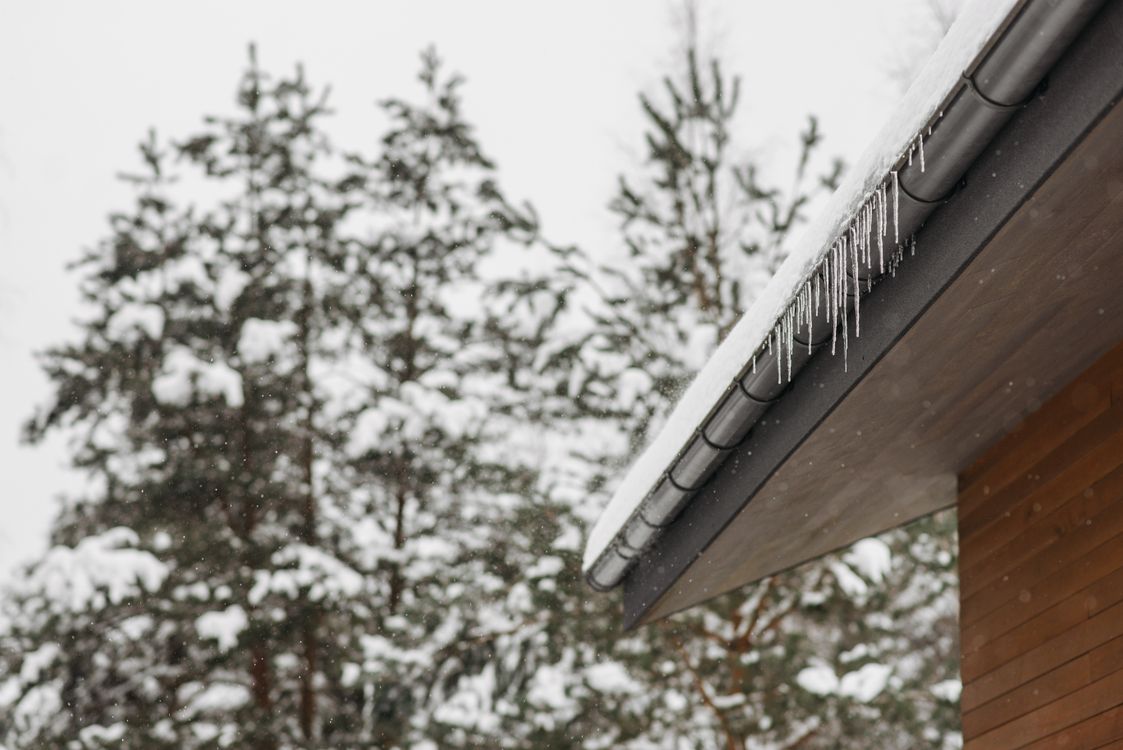
After a hailstorm or an ice storm, the roof is usually the part of the house nobody wants to climb onto to check — and the part an insurer needs documented fastest. A drone solves that mismatch: a certified pilot can photograph an entire roof surface, gutter line and flashing in a single low flight, from the ground, without anyone stepping onto ice-slicked or storm-damaged shingles.
That matters more in Quebec in 2026 than it did a few years ago, simply because there's been more storm damage to document. This guide covers what a drone roof inspection actually shows, how storm-related roof damage typically fits into a Quebec home insurance policy, what the inspection costs, and when it's worth booking one versus waiting for your insurer's own adjuster.
Key Takeaways
- Severe weather caused more than $2.4 billion in insured losses across Canada in 2025 — the tenth-costliest year on record for weather-related claims (Insurance Bureau of Canada, February 2026).
- The late-March 2025 Ontario–Quebec ice storm alone caused $466 million in insured losses, making it Canada's single costliest severe-weather event of 2025 (Insurance Bureau of Canada, March 2026).
- Thunderstorms across Ontario and Quebec during Canada Day week 2026 added a further $439 million in insured damage (IBC data reported by CP24/ConstructConnect, August 2026). These are combined Ontario–Quebec figures, not Quebec-only.
- Roof damage from the weight of ice is typically covered only under an "all risks" (comprehensive) home insurance policy, not a named-perils policy — a distinction worth checking before assuming a claim is covered (Canadian Underwriter, March 2026).
- A drone roof inspection lets you document damage from the ground without anyone climbing onto a wet, icy or storm-weakened roof — the same certified pilot and $150–400 add-on pricing used for real estate aerials in this market.
Why Roof Damage Documentation Matters More in Quebec Right Now
Quebec homeowners filed a lot more storm-damage claims over the past two years than the decade before it. Nationally, severe weather caused more than $2.4 billion in insured losses in 2025, making it the tenth-costliest year on record for weather-related claims in Canada, according to the Insurance Bureau of Canada's February 2026 report. That's a national figure, not a Quebec-only one, but two of the events driving it hit this region directly.
The first was the late-March 2025 ice storm across Ontario and Quebec, which the IBC's one-year anniversary report put at $466 million in insured losses — the single costliest severe-weather event in Canada that year. Canadian Underwriter's follow-up reporting noted the storm brought more than 30 hours of freezing rain and up to 25 millimetres of ice accretion in some areas, and that more than 90% of personal-lines claims from it had closed by the one-year mark. The second was a run of thunderstorms across Ontario and Quebec during Canada Day week 2026, which added a further $439 million in insured damage, according to IBC figures reported by CP24. Both of those are combined Ontario–Quebec totals, not a Quebec-specific breakdown, but Vaudreuil-Soulanges, the West Island, Saint-Lazare and Laval all sit inside the geography those storms actually hit.
What a Drone Roof Inspection Actually Documents
A ground-level photo of a roof mostly shows the edge you can see from the yard. A drone flight covers the whole surface in a way a ladder rarely does safely, especially right after a storm:
- Missing, lifted or cracked shingles: full-surface coverage rather than just the slopes visible from the ground
- Hail bruising and granule loss: close, angled passes that show impact marks a straight-down photo would miss
- Ice damming and eave damage: the ridge, valleys and eaves where ice buildup does the most damage
- Flashing, vents and chimney condition: the small penetration points where leaks usually start, often invisible from the ground
- Gutter and downspout damage: dents, separation and debris that a ground photo can't angle for
None of that requires anyone to physically stand on the roof. That's the actual value: a full, current record of roof condition captured without the fall risk of walking a wet, icy or storm-weakened surface — which matters because insurers and roofers both need photo evidence of the damage, and the safest way to get it is from the air, not a ladder.
How Roof Damage Fits Into a Quebec Home Insurance Policy
Not every storm-related roof problem is automatically covered, and this is the detail that catches homeowners off guard most often. According to Canadian Underwriter's reporting on the March 2025 ice storm, damage caused specifically by the weight of ice on a structure is typically covered only if the policy includes "all risks" (comprehensive) building protection — a narrower named-perils policy may exclude ice-load damage to a roof entirely. Wind and hail damage are generally treated differently from ice-load damage under most policies, but the specifics still depend on the exact wording of your contract, not a general rule that applies to every policy.
| Coverage type | Ice-load roof damage | What this means for you |
|---|---|---|
| All risks / comprehensive | Typically covered | Check your declarations page to confirm you carry this broader form, not just named perils |
| Named perils (basic) | Often excluded | Ice-weight damage to a roof may not be covered even if wind or falling-object damage would be |
This is exactly where photo documentation earns its keep. Whether or not ice-load damage turns out to be covered, a complete, dated record of the roof's condition immediately after a storm — rather than weeks later once damage has spread — gives you and your insurer the same starting point for the conversation. Confirming your own coverage wording with your broker before you need it is worth doing regardless of whether you ever book a drone inspection.
What a Drone Roof Inspection Costs and How Fast It Can Happen
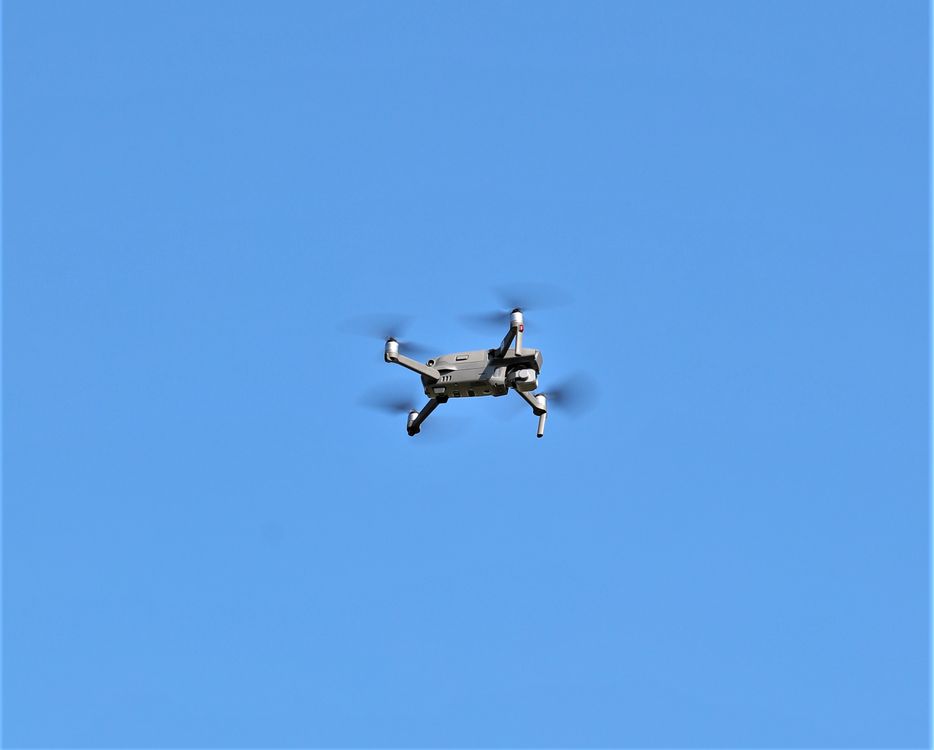
Drone roof documentation in this market runs on the same pricing as a real estate aerial add-on: typically $150 to $400, depending on roof size, complexity and how far the property sits from the pilot's base. There's no separate "insurance inspection" premium — it's the same certified flight, the same editing, delivered as a dated photo and video set rather than a listing-ready gallery.
Timing matters more here than on a real estate shoot. After a major storm, both roofers and insurance adjusters get booked out quickly, and further weather (rain, more wind, freeze-thaw cycles) can make existing damage worse or harder to distinguish from new damage. Booking a drone flight in the days right after a storm — rather than waiting for a contractor quote or an adjuster visit — creates a dated, independent record before the roof's condition changes further. Most residential flights take 30 to 60 minutes on site, with edited images typically delivered within 48 to 72 hours.
The certified pilot requirement is the same one that applies to any commercial drone flight in Canada: a Transport Canada pilot certificate, a registered aircraft and liability insurance, regardless of what the footage is being used for. The full breakdown of Transport Canada's certification tiers, what changes in winter conditions, and typical add-on pricing across this market covers that in more detail rather than repeating it here.
When You Don't Need a Drone for a Roof Claim
A drone flight isn't the right call for every situation. Skip it, or at least don't treat it as urgent, when:
- Your insurer is already sending an adjuster with their own aerial or drone capability within a day or two — duplicate documentation rarely changes the outcome
- The damage is limited and clearly visible from the ground — a single dislodged section near the eave that a roofer can safely photograph from a ladder doesn't need a full aerial pass
- The roof is brand new or under active warranty work and the contractor already has current, dated photos on file from a recent job
Where it clearly is worth booking: multi-slope or steep roofs that are unsafe to walk even without storm damage, waterfront and larger properties common in Saint-Lazare and Vaudreuil-Dorion where a full ground perimeter walk isn't practical, and any situation where the homeowner or a family member would otherwise be the one climbing up to look. If in doubt, a quick photo from the ground plus a call to a certified drone photography provider for a same-week booking costs far less than the alternative of an undocumented, disputed claim.

A Practical Post-Storm Checklist for Quebec Homeowners
- Never climb onto the roof yourself to inspect ice, wind or hail damage — that's exactly the risk a drone inspection is meant to remove
- Photograph what you can safely see from the ground first, including gutters, downspouts and any debris in the yard, as an immediate record
- Call your broker early to confirm whether your policy is all-risks or named-perils before assuming ice-load damage is or isn't covered
- Book a certified drone flight within days, not weeks, of the storm — both to beat contractor and adjuster backlogs and to capture the roof before further weather compounds the damage
- Keep every dated photo and invoice together in one file — insurers move faster on claims with a complete, organized record
Frequently Asked Questions
Does home insurance cover roof damage from an ice storm in Quebec?
It depends on your policy. Damage caused by the weight of ice on a roof is typically covered only under an "all risks" (comprehensive) policy — a narrower named-perils policy may exclude it. Confirm the exact wording with your broker rather than assuming either way.
How much does a drone roof inspection cost?
Typically $150 to $400, the same range used for a drone add-on on a real estate shoot in this market. Pricing depends on roof size, complexity and distance from the pilot's base, with no separate premium for insurance-related documentation.
How soon after a storm should I book a drone roof inspection?
Within days rather than weeks. Contractors and adjusters get booked out quickly after a major storm, and further weather can worsen existing damage or make it harder to distinguish from new damage — an early, dated flight avoids both problems.
Do I need a special drone permit for roof damage documentation?
No separate permit exists for this specific use. The same Transport Canada pilot certificate, registered aircraft and liability insurance required for any commercial drone flight in Canada applies here, regardless of what the footage documents.
Dealing with storm damage on your roof? Group PV Media flies Transport Canada certified, fully insured drone inspections across Vaudreuil-Soulanges, the West Island, Saint-Lazare, Montreal and Laval — the same certified pilots we use for real estate aerials. Contact us for a fast quote.
About the author
Pranshu Verma is the founder of Group PV Media, a social media marketing and content production company serving small businesses across Vaudreuil-Soulanges, the West Island, Saint-Lazare, Montreal, and Laval, Quebec.
Want to apply this to your business?
Book a free 30-minute call. We’ll look at your situation together and you’ll leave with a clear plan — no commitment.
Book a free consultation