Real Estate Photography for Montreal Condos (2026)
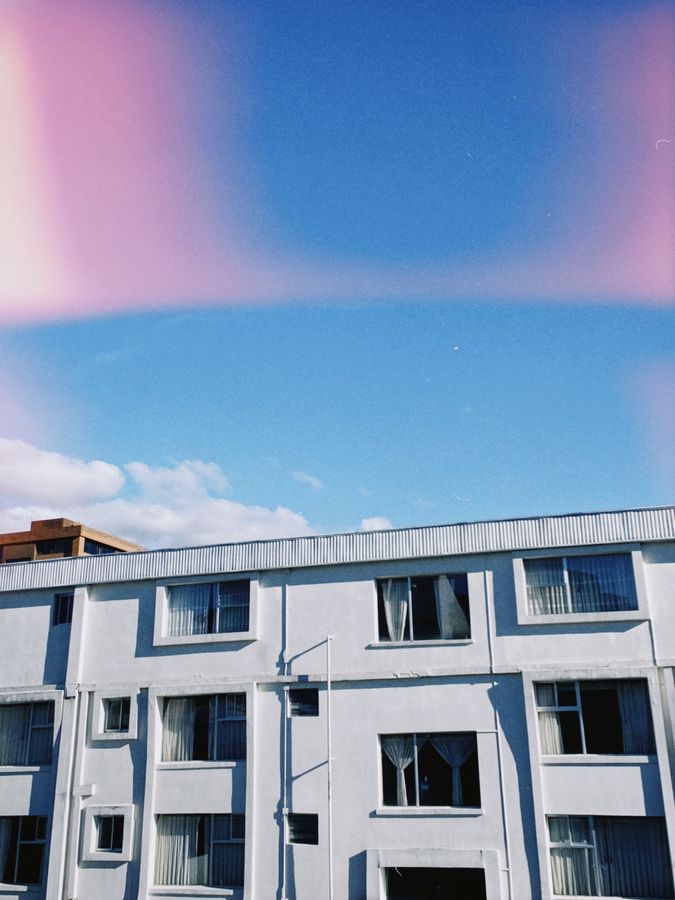
Montreal's condo market spent most of 2026 handing buyers more choice and more time, and that shift changes what a listing photo has to do. In August 2026, condominiums in the Montreal census metropolitan area took an average of 62 days to sell, twelve days longer than the same month a year earlier, while active condo listings climbed 19% year-over-year, according to the Quebec Professional Association of Real Estate Brokers (APCIQ). Buyers scrolling Centris or Realtor.ca in that kind of market aren't choosing between three or four comparable units. They're choosing between dozens, and the cover photo is what decides which ones get a second look.
This guide covers what Montreal's current condo market means for listing photography, what condos need from a shoot that single-family homes in the suburbs generally don't, how to prepare a unit before the photographer arrives, and what Centris expects from condo listing photos specifically.
Key Takeaways
- Montreal condos took an average of 62 days to sell in August 2026, up from about 50 days a year earlier, while active condo listings rose 19% year-over-year (APCIQ, released September 4, 2026).
- Condo median price still rose 4% year-over-year in that same report, so the slowdown is about competition for buyer attention, not falling demand.
- New condo apartment prices in Montreal grew 11.4% year-over-year in the second quarter of 2025, the fastest pace of any Canadian metro, per Statistics Canada's New Condominium Apartment Price Index — a construction-focused measure, included here as national context rather than a resale statistic.
- A widely cited 2013 Redfin study found professionally photographed U.S. homes sold roughly 21 days faster and for about $11,200 more than amateur-photographed comparables. The study is over a decade old and U.S.-only; treat it as historical context, not current Quebec data.
- Condo shoots need different technique than a suburban house: tighter interiors call for wide-angle framing, and building amenities or a view are often part of what's actually being sold.
Why Montreal's Condo Market Makes Photography a Bigger Deal Right Now
A market with more listings and longer time on market doesn't mean condos aren't selling. It means each one has to work harder to get noticed. APCIQ's August 2026 report on the Montreal CMA logged 2,853 total residential sales, down 13% from the same month in 2025, alongside 20,128 active listings, up 18% year-over-year across property types and 19% for condominiums specifically. Condo median price still rose 4% over the same period, so buyers haven't stopped paying for condos that show well. They've simply gained enough options that a listing with weak photos gets scrolled past in favor of one that doesn't require imagination to picture living in.
That combination, more supply and a still-positive price trend, is exactly the condition where photography earns its cost back. When a buyer sees three similar one-bedroom units in the same building or the same neighborhood, the unit with bright, wide, well-composed photos gets the click, and the ones with dim phone photos or a cluttered, angle-heavy shot list get skipped without a second look, regardless of price or floor plan.
What Professional Photography Actually Does to a Listing
The price and speed effect of professional photography is measurable, even though the most rigorous controlled study on the question is now over a decade old. A 2013 Redfin study of homes across 22 major U.S. markets found that professionally photographed homes in the $400,000 range sold about 21 days faster and for roughly $11,200 more than amateur-photographed comparables, per reporting on the study via PR Newswire. The same study found that listings in the sharpest 10% of photo quality sold at or above list price 44% of the time, compared with 13% for listings with average-sharpness photos.
That data is U.S.-only and predates the current Montreal market by well over a decade, so it shouldn't be read as a Quebec figure. It's included here because it remains the most-cited controlled study on this exact question, and because it lines up directionally with what APCIQ's current numbers show: in a market where buyers have more listings to choose from, the ones that look better win the click. For a fuller breakdown of this study alongside Quebec-specific market-speed data, see Real Estate Photography in Vaudreuil-Soulanges (2026). For package details and current pricing, see our real estate photography services.
What Condo Listings Need That Single-Family Homes Don't
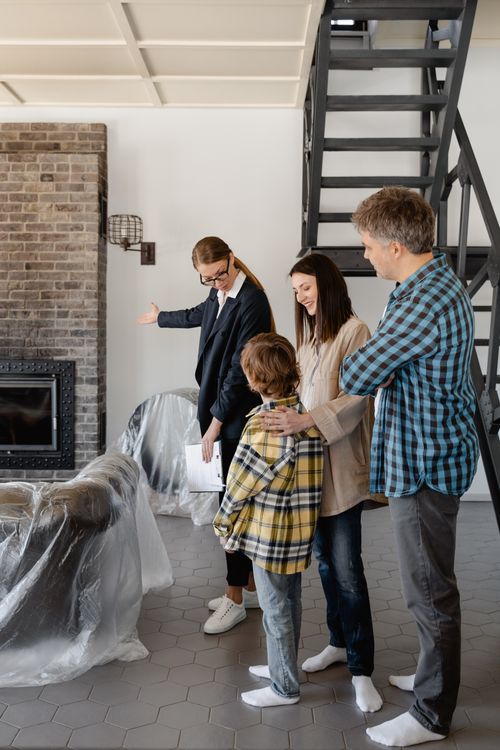
Condo shoots follow their own logic, separate from a suburban single-family listing, mostly because the constraints are different: less square footage to work with, shared building elements that are part of the sales pitch, and, often, an empty investment unit instead of a furnished home.
Interior square footage runs smaller in most Montreal condos than in a suburban house, which puts more weight on lens choice and composition. A wide-angle lens shot from the right corner of a room reads as spacious and bright; the same room shot from the doorway on a standard lens reads as cramped, even though nothing about the actual space has changed. That's a technical decision a photographer makes, not something a seller controls directly, but it's worth asking about before booking a shoot, since not every photographer shoots interiors the same way.
Building amenities and shared spaces are often part of what's actually being sold in a condo listing, not just the unit itself. A rooftop terrace, a gym, a lobby with a doorman, or a view from a high floor can be the deciding factor between two otherwise similar units, and none of that shows up in interior-only photos. A shoot that includes the building's common areas and, where the unit has one, the view from the balcony or window gives buyers the full picture they're actually paying for.
Empty units are also far more common in condo listings than in single-family home sales, particularly for investment properties, new construction, or a seller who has already moved out. An empty condo photographs differently than a furnished one: rooms read smaller without furniture for scale, and buyers have a harder time picturing how their own things would fit. Virtual staging, digitally furnishing an empty room after the shoot, is a common answer to this specific problem in condo listings, and it needs to be clearly disclosed as staged rather than presented as the unit's actual current condition, a requirement covered in more detail in the Centris section below.
Preparing a Montreal Condo Before the Shoot
Most of the same prep rules that apply to a house apply to a condo, but a few things matter more in a smaller space. Decluttering visible surfaces, counters, shelves, any table in a wide shot, has an outsized effect in a smaller room, since there's less negative space to absorb a cluttered corner. Opening every blind and turning on every light fixture matters just as much in a condo as in a house, and matters more in units that get less natural light from a lower floor or a north-facing exposure.
Two things are specific to condo buildings and worth planning ahead of the shoot rather than discovering the day of. First, building access: many Montreal condo buildings require advance notice to book an elevator, a loading dock, or a visitor parking spot for a photographer carrying equipment, so it's worth checking with the building's management or syndicate a few days ahead rather than the morning of the shoot. Second, hallway and lobby condition: if the building's common areas will be part of the shoot, it's worth a quick check that the lobby and hallway leading to the unit are presentable too, since a buyer's first physical impression of a condo often starts before they reach the unit door.
Centris Photo Standards for Condo Listings
Centris expects listing photos to represent the property as it currently exists, and that standard applies with extra weight to condos because of how often virtual staging comes up. A digitally furnished room needs to be labeled as staged rather than shown as the unit's real current condition; a buyer who books a showing expecting a furnished room and finds an empty one is a trust problem that follows the listing, not a one-time photo complaint.
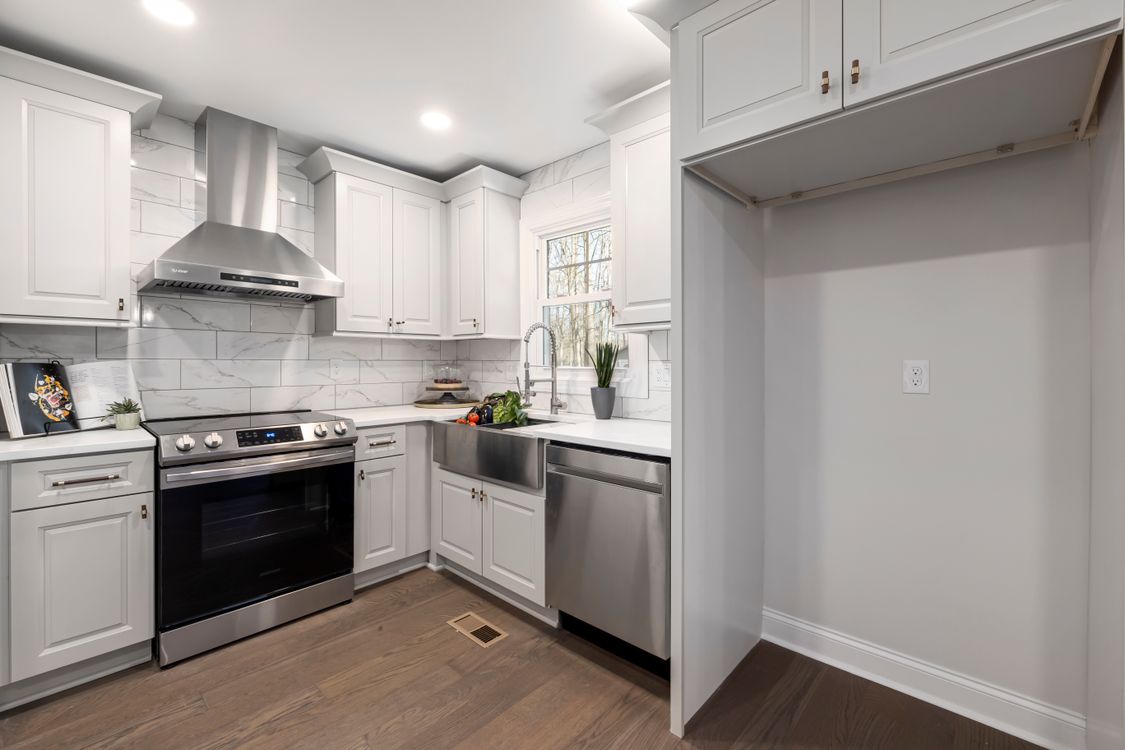
Photo order and coverage matter for condos in ways that differ slightly from a house listing. Because the exterior of a condo building often looks similar to its neighbors, the strongest cover photo for a condo listing is frequently an interior shot, the main living space or kitchen, rather than the building exterior that works as a default cover photo for a single-family home. Where the unit has a distinctive view, a skyline shot from the balcony or a window often performs as well as an interior lead photo and is worth testing as the cover image. Photo count and specific technical requirements can shift over time, so agents preparing a listing are better served checking Centris's current media guidelines directly than relying on a fixed number from any single guide, including this one.
The same issues that draw scrutiny on any Centris listing apply to condos: photos left over from a previous listing that no longer match a renovated unit, heavy filtering that misrepresents finishes or paint color, visible watermarks from an unswapped proof set, and staged photos shown without disclosure. Each is a straightforward fix before the listing goes live and a much bigger problem to untangle after buyers have already booked showings based on inaccurate photos. Once the photos exist, they still have to reach buyers, which is a separate problem from producing them. See Social Media Marketing for Small Businesses in Quebec (2026) for getting these photos in front of buyers once they're ready.
Do Condos Need Drone Photos or Video?
Drone photos add less value for most condo units than for a single-family home, mostly because a drone shot of a condo tower shows the building, not the specific unit for sale, and buyers already know what a Montreal condo tower looks like from the street. Drone coverage earns its place on a condo listing mainly for the building's rooftop amenities, a distinctive location relative to the water or downtown skyline, or a low-rise or townhouse-style condo development where an aerial view actually shows the layout of the property in a way ground-level photos can't. For a mid- or high-rise unit inside a standard tower, that budget is typically better spent on stronger interior coverage or a video walkthrough instead.
Video tends to earn its cost more consistently for condos than drone does, particularly for smaller units, where a walkthrough video helps a buyer understand the flow between rooms in a way that a sequence of still photos doesn't always convey clearly. See Real Estate Video Tours in the West Island & Vaudreuil-Soulanges: The REM Effect on How Buyers Shop for a closer look at video tour ROI, and Drone Photography for Real Estate in Vaudreuil-Soulanges for the fuller breakdown of when drone coverage is and isn't worth booking.
Frequently Asked Questions
How is Montreal's current condo market affecting listing photography?
Montreal condos took an average of 62 days to sell in August 2026, according to APCIQ, up from about 50 days a year earlier, while active condo listings rose 19% year-over-year. That slower pace and added competition mean listings with weak photos have more ground to lose than they did a year ago.
Do I need to disclose virtual staging on a Centris listing?
Yes. Centris expects listing photos to represent the property as it currently exists, and a digitally furnished room needs to be labeled as staged rather than presented as the unit's actual current condition.
Should my condo's cover photo be the building exterior or an interior shot?
For most condos, an interior shot, the main living space, kitchen, or a distinctive view, performs better as a cover photo than the building exterior, since condo exteriors in the same neighborhood often look similar to each other. A distinctive view from the unit is worth testing as a cover photo where one exists.
Do condo listings need drone photos?
Usually not for a standard mid- or high-rise unit, since a drone shot shows the building rather than the unit for sale. Drone coverage is more useful for a condo's rooftop amenities, a distinctive waterfront or skyline location, or a low-rise or townhouse-style development where an aerial view shows the property layout.
Conclusion
Montreal's condo market added competition faster than it added buyers over the past year: more listings, longer average time on market, and still-positive prices, all in the same August 2026 report. That's the exact condition where listing photography stops being a nice-to-have and starts being the difference between a unit that gets shown and one that gets scrolled past. Condo shoots have their own requirements too, tighter interiors, building amenities, and more frequently empty units, that a straight copy of single-family-home photography advice doesn't fully cover.
Sellers and agents with a Montreal condo listing can request a quote for your listing to get pricing based on the unit's actual size and what it needs, rather than guessing from a generic range.
About the author
Pranshu Verma is the founder of Group PV Media, a photography, drone, and video production company serving real estate agents and sellers across Vaudreuil-Soulanges, the West Island, Saint-Lazare, Montreal, and Laval, Quebec.
Want to apply this to your business?
Book a free 30-minute call. We’ll look at your situation together and you’ll leave with a clear plan — no commitment.
Book a free consultation